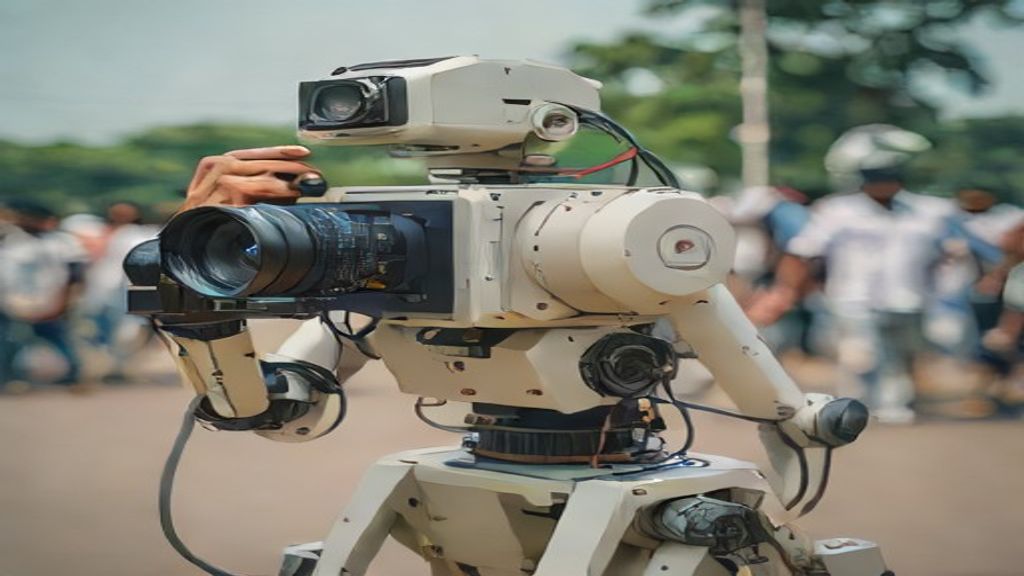
India’s AI Trajectory 2026: Scaling Innovation and Digital Sovereignty
As the calendar turns to 2026, India has solidified its position as a global powerhouse in artificial intelligence. What began as a wave of experimentation has matured into a robust ecosystem defined by sovereign AI models, massive infrastructure investments, and a workforce that is leading the world in AI deployment.
The Era of Sovereign AI
By 2026, the ‘IndiaAI’ mission has shifted from policy planning to tangible infrastructure. With the rollout of large-scale compute clusters, Indian startups and enterprises are no longer reliant solely on international cloud providers. The focus has moved toward developing indigenous Large Language Models (LLMs) that cater to India’s linguistic diversity, supporting over 22 scheduled languages.
Economic Integration and Workforce Upskilling
AI is no longer an isolated tech vertical; it is the backbone of the Indian economy. In 2026, sectors ranging from precision agriculture to predictive healthcare have seen productivity gains exceeding 20%. The government’s massive push for digital literacy has resulted in a workforce equipped not just to use AI, but to govern and refine it, positioning India as the world’s primary ‘AI talent hub’.
The Regulatory Frontier
As the nation advances, 2026 marks a pivotal year for AI governance. India has pioneered a ‘pro-innovation’ regulatory framework that balances safety with growth. This middle-path approach has attracted record-breaking foreign direct investment, proving that robust ethical guardrails can coexist with rapid technological scaling.
Conclusion
Looking ahead, the future of AI in India is synonymous with the nation’s broader digital growth story. By fostering deep-tech research and prioritizing inclusivity, India is well on its way to becoming the global benchmark for how a developing economy can harness AI to achieve equitable prosperity.